Understanding the Basics of Tarmac Thickness
When it comes to paving a driveway, the thickness of tarmac is a critical factor that determines both its longevity and efficacy. Tarmac, or tarmacadam, consists of layers of crushed stone coated with tar, providing a durable and versatile surface perfect for driveways. Understanding the basics involves recognising that not all driveways will have the same thickness due to varying usage requirements and underlying soil conditions. Typically, residential driveways in the UK are constructed with 50mm of asphalt over a 100-150mm base of crushed stone.
Choosing the correct thickness ensures that the driveway can withstand the load of vehicles without sustaining damage over time. Thicker tarmac layers are generally required for areas with heavier traffic or larger vehicles. Moreover, a properly laid thickness of tarmac can prevent common issues such as rutting, cracking, and potholing, thereby extending the surface’s lifespan and reducing the need for frequent repairs.
The benefits of understanding tarmac thickness extend beyond durability. A well-constructed driveway enhances property aesthetics, increases property value, and improves safety by offering a smooth, stable surface. Additionally, correct tarmac application aids in water management, preventing pooling and ensuring proper drainage which is essential in UK’s often wet climate.
Assessing Your Driveway’s Usage Needs
Before selecting the thickness for your tarmac driveway, it is crucial to assess how the driveway will be used. Will it be subject to frequent heavy load vehicles, or will it primarily accommodate passenger cars? Understanding the type and frequency of traffic can greatly influence the required durability and thickness of the tarmac. For instance, driveways used by heavier vehicles will need a thicker layer of both base and surface tarmac to adequately support the load and reduce surface deformation.
Another consideration is the number of vehicles expected to use the driveway. A higher number of vehicles increases the wear and tear, necessitating a more robust tarmac solution. Also, consider the parking needs — will vehicles be parked for long durations, potentially causing more stress to certain areas of the driveway? This factor should also influence the tarmac thickness and overall structural design.
Assessing usage needs helps in choosing a driveway solution that balances performance with cost-effectiveness. It ensures that the driveway is not only built for current needs but also anticipates future usage, potentially saving on costly repairs or a complete re-tarmac in the future.
Key Factors Influencing Tarmac Selection
Choosing the right tarmac involves more than just its thickness; several key factors must be considered to ensure the selection meets specific driveway needs. One of the primary considerations is the climate. In the UK, with its mixture of wet and freezing conditions, tarmac quality and type should be capable of withstanding weather-induced wear. For example, polymer-modified asphalts have been shown to provide better durability and resistance in such climates.
The quality of the materials used also plays a significant role. Higher grade aggregates and bitumen can increase the driveway’s resilience and lifespan. It’s crucial to source materials from reputable suppliers who comply with British Standards to ensure high-quality results. Furthermore, the colour and finish of the tarmac should be considered, as they contribute to the visual appeal and may complement the overall aesthetic of the property.
Environmental considerations are also becoming increasingly important. Eco-friendly options such as recycled asphalt pavement (RAP) are available and can provide a sustainable yet durable alternative. Choosing the right tarmac not only meets functional requirements but also aligns with broader environmental goals, making it a responsible choice for eco-conscious homeowners.
The Role of Subgrade in Thickness Decisions
The subgrade, or the native soil underneath the driveway, plays a pivotal role in determining the appropriate tarmac thickness. A well-prepared subgrade supports the layers above it and ensures a stable foundation for the tarmac. The type of soil—whether it’s clay, sand, or gravel—directly influences the subgrade’s bearing capacity and, consequently, the thickness of the base and tarmac layers.
If the subgrade is weak or unstable, it may be necessary to increase the thickness of the crushed stone base to distribute vehicular loads more effectively and prevent the tarmac from failing. In some cases, additional ground stabilisation measures such as geotextile fabrics might be required to enhance the subgrade’s stability and longevity.
Ignoring the condition and preparation of the subgrade can lead to significant issues such as uneven settling and premature cracking of the tarmac surface. Investing time and resources in properly assessing and preparing the subgrade can prevent these costly problems, ensuring a reliable and durable driveway that performs as intended over time.
Calculating Optimal Tarmac Thickness
Calculating the optimal thickness for your tarmac driveway involves considering the previously mentioned factors along with specific calculations to determine the required specifications. This calculation generally starts with an evaluation of the expected load-bearing requirements based on the type of vehicles and traffic frequency. Engineering formulas and guidelines, such as those provided by the Institution of Civil Engineers (ICE), can be used to determine appropriate depths for both the base and the surface layer.
For residential driveways subjected to normal car traffic, a typical specification might include a 150mm sub-base layer and a 50mm wearing course. However, for driveways expecting heavier vehicles, these depths would need to be increased. Utilising software or consulting with a professional can provide precise measurements and ensure that all variables are accurately accounted for.
The benefits of accurately calculating tarmac thickness are manifold: it optimises expenditure by ensuring that no resources are wasted on unnecessary materials, and it maximises the driveway’s lifespan by providing adequate support and resistance to environmental stresses. Professional input here can save significant costs in the long term.
Professional Tips for Tarmac Installation
Professional installation of tarmac is critical to maximise its lifespan and performance. First and foremost, ensure that the installation is planned during warm, dry weather, as tarmac sets better and cures faster under these conditions. Cold or wet weather can adversely affect the curing process and result in a less durable surface.
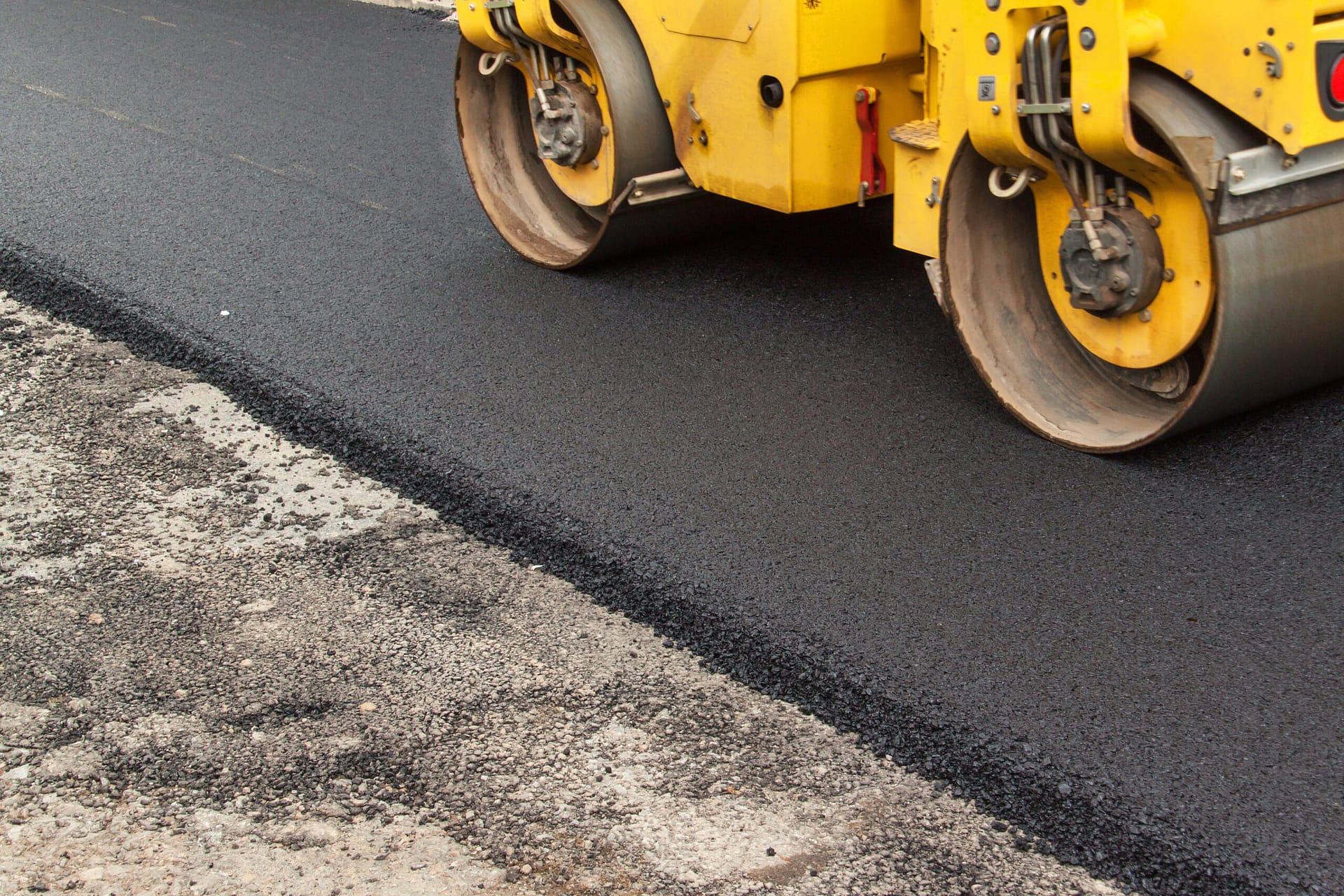
Secondly, using the right equipment is crucial. Paving machines ensure an even distribution of the tarmac and consistent compaction across the driveway, which manual methods might not achieve. This leads to a smoother finish and a structurally sound driveway. Also, professionals recommend using a steamroller for compaction immediately after the tarmac has been laid, ensuring the material is compactly bonded.
Lastly, it is advisable to allow the newly laid tarmac to cure for at least 24 hours before allowing any vehicle traffic. This curing period helps to prevent any premature damages and enhances the surface’s overall strength and resilience. Following these professional tips can significantly extend the life of a tarmac driveway and ensure its performance through the years.
Common Mistakes in Tarmac Application
Several common mistakes can compromise the quality and durability of a tarmac driveway. One such error is inadequate preparation of the subgrade and base layers. Skimping on these foundational steps can lead to a weak driveway prone to cracking and deformation. Additionally, incorrect material ratios or low-quality tarmac mix can result in a surface that wears quickly and lacks resistance to weather conditions.
Another frequent mistake is poor water management design. Tarmac driveways should be designed with a slight gradient, allowing water to drain off efficiently. Without proper drainage, water can accumulate on the surface, leading to water damage and reducing the driveway’s lifespan. Moreover, failing to compact the tarmac adequately during installation can lead to a loose surface that may degrade faster under traffic loads.
Avoiding these common mistakes through careful planning, quality material selection, and proper installation techniques is crucial. Homeowners should consider hiring experienced professionals who can ensure that each step of the tarmac application process is handled correctly, thereby avoiding costly errors and extending the driveway’s usability.
Maintaining Your Tarmac Driveway Over Time
Regular maintenance is essential to extend the life of your tarmac driveway and keep it looking its best. Routine tasks should include regular cleaning, removal of weeds, and checking for any signs of distress like cracks or holes. These issues should be addressed promptly to prevent further damage. Seal coating the driveway every two to five years can also protect the surface from wear, weather conditions, and spills, thereby prolonging its life.
Additionally, avoiding the use of harsh chemicals and de-icing salts on your tarmac can prevent premature deterioration. Instead, opt for safer alternatives like sand or cat litter to manage ice during the winter months. Heavy objects such as skips or machinery should also be kept off the driveway to avoid indentations and structural damage.
With proper care and maintenance, a tarmac driveway can remain functional and aesthetically pleasing for many years. Homeowners should adopt a proactive approach to maintenance, addressing small issues before they escalate into major problems. Consulting with tarmac professionals periodically can also provide insights into the specific needs of your driveway, ensuring its longevity and performance.