Enhancing Biodiversity with a Garden Pond
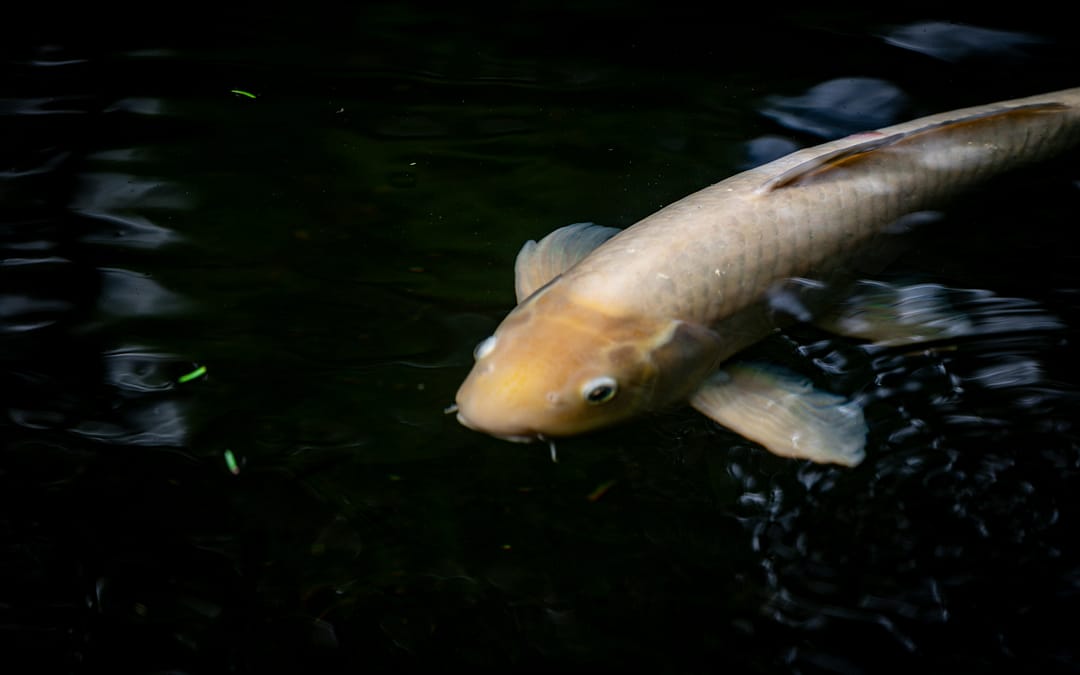
Incorporating a natural pond in a garden is a significant step towards enhancing biodiversity. These water bodies serve as the cornerstone for various lifeforms. From amphibians like frogs and newts to a plethora of insect species, ponds support a dynamic ecosystem. Such an environment not only helps maintain local biodiversity but also aids in the preservation of species that might otherwise struggle in urban settings.
A garden pond attracts bio-diverse plant life which in turn supports a wider range of animal species. Aquatic plants such as water lilies and pondweed provide food and shelter for numerous organisms, thereby creating a microhabitat within your garden. This variety ensures a robust ecosystem that can self-sustain and self-regulate, mitigating risks of species decline.
Furthermore, by introducing native plant species around the pond, gardeners can ensure the support of local wildlife and promote a balance with the surrounding ecological community. This practice helps in maintaining genetic diversity and ecological stability, which are crucial for adaptive responses to environmental changes and potential pests or diseases.
Attracting Wildlife to Your Backyard Oasis
A natural pond can transform your garden into a thriving hub of wildlife activity. Birds, insects, and mammals are drawn to water sources for drinking and feeding. A well-planned garden pond can serve as a vital refuge for these creatures, especially in urban areas where natural water bodies might be scarce.
Additionally, the presence of a pond can enhance the natural behaviour observations available to a gardener. From the springtime rituals of birds to the fascinating breeding habits of amphibians, the pond provides a front-row seat to the wonders of nature. Dragonflies, water beetles, and even the occasional visiting hedgehog can add an enchanting element to the garden experience.
It’s not just about observing, though. The increased wildlife presence helps with the pollination of flowers and contributes to the ecological health of the garden. This natural convergence of species creates a balanced ecosystem, where each organism plays a role in supporting the garden’s overall health and vitality.
Improving Garden Aesthetics Naturally
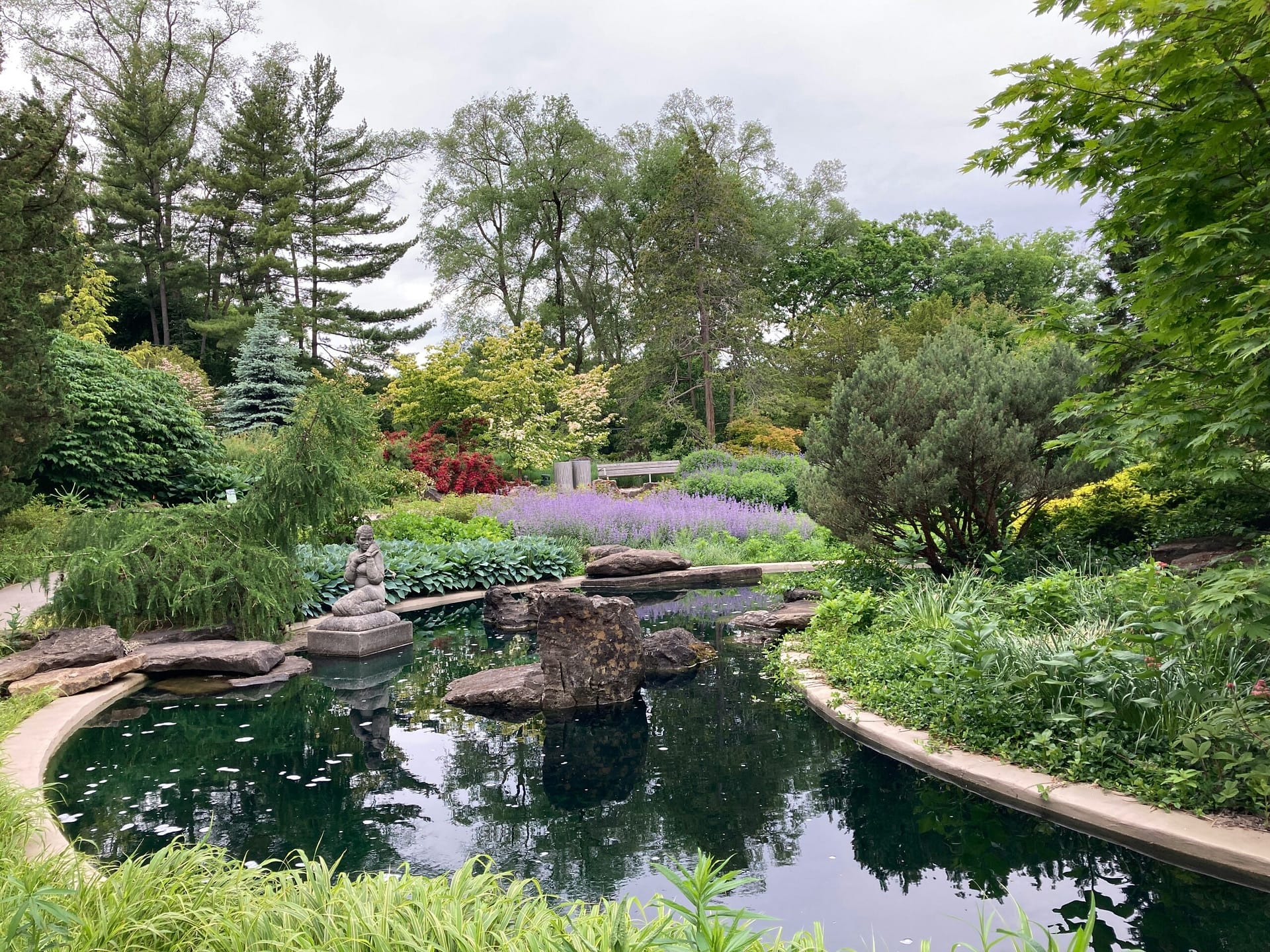
A natural pond can significantly enhance the visual appeal of a garden. The reflective surface of water adds a new dimension to the garden landscape, providing a sense of depth and space. With the right placement and design, a pond can become the focal point of a garden, drawing the eye and soothing the soul.
The seasonal changes bring their own charm; frozen surfaces in winter, blossoming aquatic plants in spring, lively wildlife in summer, and the serene decay of autumn. Each season turns the pond into a natural artwork, ever-changing and always engaging.
Beyond the visual beauty, the sound of water can also contribute to the garden’s ambience. The gentle lapping of water at the pond’s edge or the soft plops of visiting wildlife can create a peaceful soundscape, transforming your garden into a serene retreat from the bustling world outside.
Boosting Mental Health Through Nature
The therapeutic benefits of having a natural pond in your garden are profound. Engaging with nature, such as spending time near water, has been shown to reduce stress, enhance mood, and improve overall mental health. The tranquil environment of a garden pond provides a perfect space for meditation, reflection, and relaxation.
Furthermore, the act of tending to a pond and its surroundings can also be incredibly gratifying. Gardening itself is a mindful activity that requires patience and care, often leading to psychological well-being. The addition of a water element adds diversity in tasks and a sense of responsibility towards maintaining a living ecosystem.
The sights and sounds of a garden pond can also stimulate mental clarity and creativity. Whether you’re an artist seeking inspiration or a professional looking for a calm space to think, a pond provides a natural setting conducive to creative thinking and problem-solving.
Sustainable Water Management at Home
Installing a natural pond can play a crucial role in sustainable water management within domestic settings. Ponds can collect and store rainwater, reducing dependence on mains water for garden irrigation. This not only conserves precious freshwater resources but also reduces your water bills.
Moreover, by incorporating overflow solutions and natural filtration systems using aquatic plants, garden ponds can help in managing excess water during heavy rainfall, thereby reducing the risk of flooding. This biofiltration process also improves water quality by breaking down pollutants naturally.
The use of ponds as part of a broader water management strategy can also mitigate the impacts of drought. By creating a microclimate, ponds maintain higher humidity levels in nearby areas, which can be beneficial during dry spells, keeping the garden verdant and vibrant.
Encouraging Eco-Friendly Habitats
A garden pond not only enhances the immediate environment of your garden but also contributes to broader ecological conservation efforts. By creating a pond, homeowners can provide a crucial habitat for aquatic and semi-aquatic species that are often displaced by urban development.
This eco-friendly approach to gardening encourages a shift from ornamental, non-native plant selections to a focus on indigenous flora and fauna, fostering a landscape that supports and nurtures the local wildlife. Creating such habitats can serve as a vital step in ecological education and conservation at a community level.
Moreover, eco-friendly ponds can serve as biological control systems, regulating the garden environment and helping in the suppression of invasive species. This approach not only supports local ecosystems but also encourages a more sustainable interaction with the natural world.
Natural Pest Control via Aquatic Ecosystems
The introduction of a natural pond into a garden can significantly aid in natural pest control. Aquatic ecosystems are home to many predatorial insects and amphibians that feed on common garden pests such as mosquitoes and aphids. For instance, dragonflies in their larval stage consume hundreds of mosquito larvae, providing a natural check on these often bothersome insects.
Furthermore, the presence of a pond encourages the establishment of a balanced food web. This natural balance reduces the need for chemical pesticides, which can be harmful to both the environment and human health. As a result, gardeners can enjoy a more organic approach to maintaining their garden’s health.
The sustainable approach of using a pond for pest control not only supports local wildlife but also enhances the overall health of the garden. This method of integrated pest management is not only effective but also environmentally responsible, contributing to a healthier and more biodiverse garden ecosystem.
Promoting Educational Opportunities Outdoors
A garden pond provides an excellent resource for outdoor education, offering practical learning experiences in a natural setting. Whether for children or adults, the pond environment can be used to teach important ecological concepts and the importance of biodiversity.
Observing a pond’s ecosystem offers firsthand insights into life cycles, food chains, and the ecological impact of human activities, making it an ideal educational tool that is both informative and engaging. This interactive approach to learning can foster a deeper appreciation and understanding of nature among learners.
Additionally, educational projects such as monitoring water quality, studying aquatic plant life, or even artistic activities like drawing and photography can be centred around the garden pond. These activities not only enrich learning but also encourage conservation and environmental stewardship from a young age.