Introduction to Natural Ponds in Small Spaces
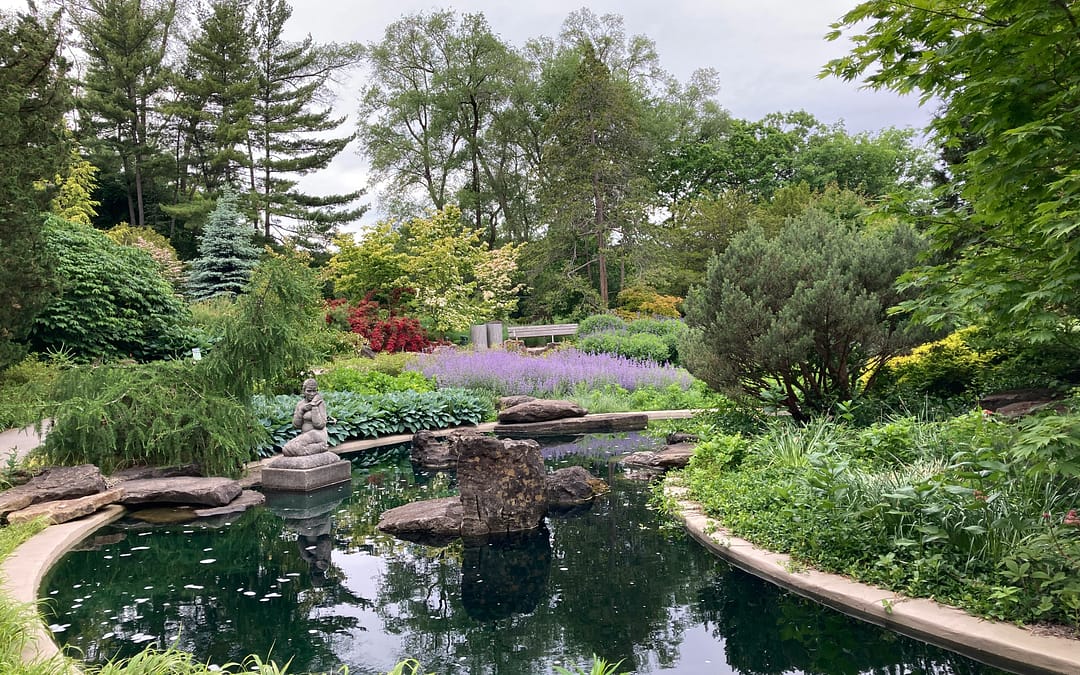
Incorporating a natural pond into a small garden or urban space can transform an ordinary plot into a captivating retreat. Despite the limited area, a well-designed pond offers a sanctuary for wildlife, a soothing water feature, and an engaging natural habitat. The charm of water gently rippling, coupled with the reflective quality of a pond, can make even the smallest garden feel both larger and more serene. This peaceful addition not only enhances the aesthetic of your outdoor space but also boosts its ecological value.
Creating a natural pond in a compact area requires careful planning to assure its success. This involves selecting the right location, choosing appropriate plants, and ensuring sufficient sunlight. The benefits of installing a water feature are manifold; from attracting beneficial wildlife and supporting local ecosystems to improving mental well-being and providing a focal point for relaxation and enjoyment.
Regardless of the garden’s size, integrating a natural pond can significantly heighten the visual and sensory appeal of the space. Not only does it serve as a habitat for various forms of wildlife, but it also offers a unique opportunity for gardeners to create a microcosm of nature, which can be both educational and enchanting.
Choosing the Right Spot for Your Pond
Selecting an optimal location for your pond is pivotal in small or urban gardens. The site should receive about four to six hours of sunlight daily, which is essential for the health of aquatic plants and the overall ecosystem of the pond. It’s also crucial to avoid overhanging trees whose leaves can accumulate in the water and decompose, potentially disrupting the pond’s balance. Visibility from key areas of the home or garden can enhance the enjoyment and interaction with this water feature.
Consideration must also be given to the ground conditions. A level area is preferred to prevent unwanted water runoff into the pond which could introduce pollutants or excess nutrients. Proximity to a power source is another practical aspect if you plan on incorporating a fountain or filtration system. Moreover, it should be a peaceful spot, away from noisy streets or heavily trafficked areas, to maintain the tranquility of the pond environment.
The size of the pond is another critical consideration. In a smaller garden, a modestly sized pond, perhaps no larger than a few square metres, can provide substantial ecological and aesthetic benefits without overwhelming the space. Careful placement can make maintenance easier and ensure that the pond integrates seamlessly into the existing garden layout.
Designing Your Miniature Pond Oasis
Designing a miniature pond requires an imaginative and strategic approach, especially in limited spaces. A natural, informal shape generally blends better with small garden environments, creating a more organic, less contrived appearance. Incorporating different levels within the pond can add depth and interest, allowing for the inclusion of a variety of aquatic plants and creating niches for wildlife.
Materials for lining the pond should be chosen with both functionality and aesthetics in mind. Flexible liners are ideal for small ponds as they allow for customizable shapes and are durable. Additionally, surrounding the pond with natural stones, gravel, or native plants can help integrate the water feature into the rest of the garden, making it appear as a natural part of the landscape rather than an addition.
For those with very limited space, even barrel or container ponds can be an option. These can be equipped with small pumps for circulation and even a miniature fountain to add the soothing sound of moving water, thereby maximizing the sensory appeal of the garden space.
Essential Plants for Compact Water Features
The choice of plants is crucial in establishing a balanced ecosystem within a small pond. Aquatic plants not only provide oxygenation but also help control algae growth by shading the water and absorbing nutrients. Floating plants like water lilies are ideal as they offer shade and visual interest. Submerged plants, such as hornwort, can help maintain water clarity and quality by filtering impurities.
Marginal plants, which live on the edges of the pond, can add height and texture to the water feature. Species such as marsh marigold or Japanese iris thrive in shallow water and are excellent for attracting pollinators. These plants are also key in providing habitats for wildlife, offering shelter and breeding spots.
It’s important to select plants that are native to the UK, as these are more likely to thrive and are better for local wildlife. Additionally, native plants require less maintenance than exotic species, making them ideal for gardeners seeking a low-maintenance pond setup.
Integrating Wildlife into Urban Ponds
A well-planned garden pond can become a haven for wildlife, even in urban areas. To attract a diverse range of creatures, it’s vital to include features that can serve as habitats. For instance, a gently sloping edge allows animals easy access to the water for drinking and bathing. Logs or rock piles near the pond can provide shelter for amphibians and insects.
Incorporating native plant species not only supports the local ecosystem but also attracts native wildlife. Birds, butterflies, and bees are drawn to water sources, and providing a variety of plants will ensure food and nesting resources. It’s also beneficial to avoid using pesticides and chemicals in and around the pond to ensure it remains a safe refuge for all visitors.
Urban ponds, though small, can play a critical role in providing necessary resources for urban wildlife, which often struggles to find suitable habitats in city environments. By creating a microhabitat, small pond owners can contribute significantly to biodiversity conservation in their area.
Maintaining Water Quality in Small Ponds
Maintaining the water quality of a small pond is essential for the health of both the plants and animals that inhabit it. Regular monitoring of water parameters such as pH, nitrate levels, and oxygen content can prevent the environment from becoming toxic. Installation of a small filter or pump can help maintain circulation, which is vital for oxygenation and preventing the buildup of harmful substances.
Seasonal cleaning is also critical, particularly in autumn to remove fallen leaves and in spring to clear out sludge that has accumulated over winter. However, it’s important to preserve some of the sediment as it contains beneficial bacteria essential for the ecological balance of the pond. Strategic planting can naturally help maintain water clarity and quality by absorbing excess nutrients that would otherwise feed algae.