
Creating a Serene Wildlife Garden Oasis in Staffordshire
Introduction to Wildlife Gardening
In an increasingly urbanised world, creating a wildlife garden is a wonderful way to reconnect with nature while providing a habitat for local flora and fauna. Staffordshire, with its diverse landscapes, offers the perfect backdrop for transforming your garden into a serene oasis teeming with wildlife. This blog post will guide you through the essential steps to achieve a successful wildlife garden.
Understanding Your Local Ecosystem
Before embarking on your wildlife garden journey, it’s important to understand the local ecosystem in Staffordshire. Take note of the birds, insects, and plants prevalent in your area. This knowledge will enable you to create a habitat that caters to the specific needs of the wildlife you wish to attract. Consider using native plants, as they play a crucial role in supporting local wildlife due to their adaptability and the food they provide.
Choosing the Right Plants
Plant selection is vital in creating a wildlife haven. To attract a variety of species, incorporate a mix of trees, shrubs, and herbaceous plants. Opt for indigenous species such as the hawthorn, blackthorn, and elderberry, which are excellent for providing shelter and food sources. Additionally, flowering plants like foxgloves and sedums not only beautify your garden but also draw in pollinators such as bees and butterflies.
Designing Your Garden Layout
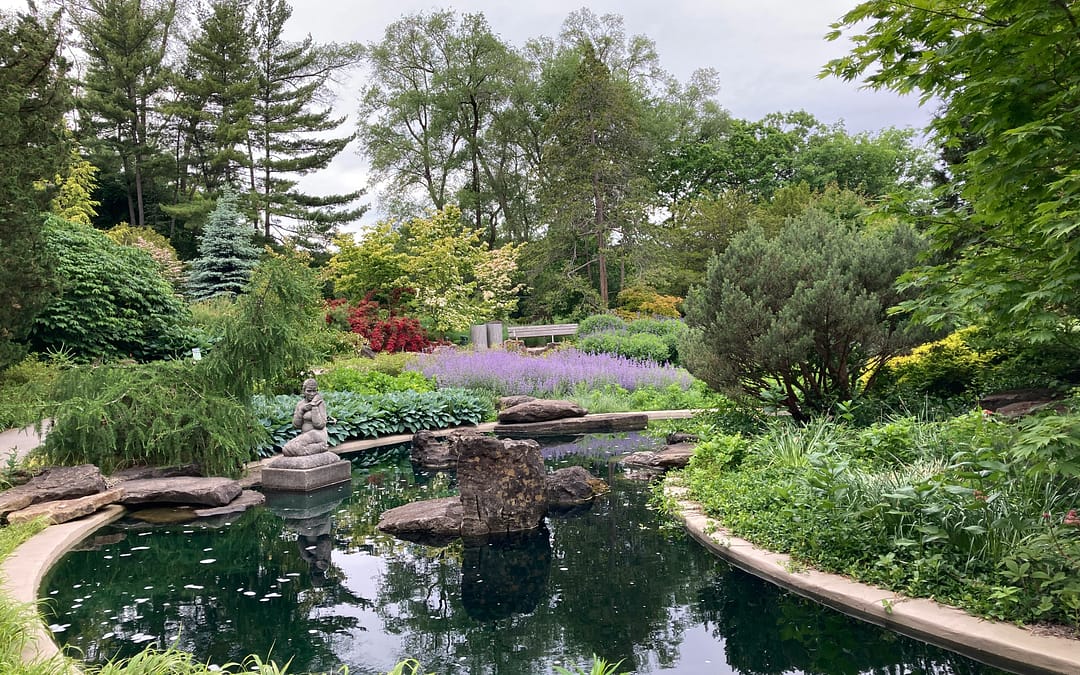
When designing the layout, aim for a natural look that mimics wild spaces. Create layers by planting taller plants towards the back and shorter ones in front. This stratification provides varying levels of shelter for wildlife. Include features such as meandering pathways and small clearings to encourage exploration and activity. Furthermore, consider adding a small water feature, like a pond or birdbath, as it will serve as a vital resource for drinking and bathing.
Providing Habitats for Wildlife
To make your garden truly inviting, it’s essential to incorporate features that provide shelter and nesting opportunities. Install a variety of bird boxes to accommodate different species, ensuring they are placed in safe, quiet locations. Additionally, consider creating hedgehog homes or leaving areas of your garden wild with dense foliage where small mammals can thrive.
Encouraging Beneficial Insects
Insects play a crucial role in the balance of our ecosystem. To promote beneficial insects, such as ladybirds and lacewings, incorporate plants that provide nectar and pollen. Also, include features like bug hotels, which offer refuge and breeding spaces. Avoid using chemical pesticides in your garden, as they can be harmful to these essential creatures and disrupt the natural balance.
Incorporating Sustainable Practices
Creating a wildlife garden is not only about aesthetics; it’s also about sustainability. Implementing practices such as composting kitchen scraps and using rain barrels for irrigation can significantly reduce your garden’s environmental impact. Mulching beds with organic materials conserves moisture and suppresses weeds, reducing the need for chemical interventions.
Contact Us
If you need assistance in designing and creating your own wildlife garden oasis in Staffordshire, feel free to reach out to us at M J Law Ltd. You can contact us at Phone: 07970 935 133 or Email: info@mjlawltd.co.uk for expert advice and services tailored to your specific needs.
Maintaining Your Wildlife Garden
Once your wildlife garden is established, regular maintenance is key to ensuring its ongoing success. This doesn’t have to be arduous; small, consistent efforts can make a significant difference. Regularly check bird feeders, clean bird baths, and replenish nesting materials to encourage bird activity. Monitor the health of your plants by removing any invasive species that might compete with native flora. This thoughtful management supports biodiversity and ensures your garden remains a safe haven for wildlife.
Seasonal Changes and Wildlife
Each season brings its own charm and set of challenges for your wildlife garden. In spring, focus on planting and invigorating growth. Summer is the time for enjoying the blooms and observing the increase in wildlife activity. As autumn arrives, consider leaving seed heads intact to provide food for birds. In winter, plan for spring by mapping out your garden changes and ensuring that wildlife has access to shelter. Maintaining awareness of seasonal shifts allows you to adapt your garden, keeping it welcoming throughout the year.
Connecting with Your Community
Creating a wildlife garden can also be a wonderful opportunity to engage with your local community. Share your experiences and successes with friends, neighbours, and local gardening clubs. Consider organising a garden tour or open day to inspire others to create their own wildlife-friendly spaces. Sharing tips, plants, and wildlife sightings can foster a sense of camaraderie and enhance the natural biodiversity of your neighbourhood.
Education and Awareness
Educating yourself and others about the beneficial aspects of a wildlife garden is crucial. Host workshops focusing on the importance of biodiversity and sustainable gardening practices. Many schools and community centres may welcome collaborations in creating wildlife gardens, providing a hands-on learning experience for children and adults alike. The more people understand the role of wildlife gardens in maintaining ecological balance, the more likely they are to embrace this rewarding endeavour.
Conclusion
Creating a serene wildlife garden oasis in Staffordshire is a fulfilling undertaking that benefits both you and the local ecosystem. With the right plants, habitats, and sustainable practices, you can transform your outdoor space into a vibrant refuge for wildlife. Ready to embark on this journey? Contact us today at Phone: 07970 935 133 or Email: info@mjlawltd.co.uk for expert advice and tailored services from M J Law Ltd. Let’s work together to foster a thriving wildlife community in your garden!