Transform Your Staffordshire Garden with Eco-Friendly Landscaping Ideas
Introduction to Eco-Friendly Landscaping
In today’s world, gardening enthusiasts are increasingly aware of the need for sustainable practices that not only enhance the beauty of their outdoor spaces but also protect the environment. Eco-friendly landscaping involves using techniques that conserve resources, reduce waste, and create habitats for wildlife. If you’re looking to transform your Staffordshire garden, the following ideas can help you create a stunning, sustainable haven.
Native Plant Selection
One of the easiest ways to begin your eco-friendly landscaping journey is by incorporating native plants into your garden. Native species are well adapted to the local climate and soil conditions, making them resilient and less prone to disease. These plants require minimal maintenance once established, reducing the need for excessive watering and chemical treatments.
In Staffordshire, consider plants such as Foxgloves, Meadowsweet, and native wildflowers. These choices not only support local ecosystems but also provide essential habitats for pollinators like bees and butterflies. By planting a diverse range of native plants, you can create a more balanced and thriving garden.
Water Conservation Techniques
Water is a precious resource, and implementing conservation techniques in your garden can make a significant difference. Start by installing a rainwater harvesting system to collect rainwater from your roof. This water can be stored in barrels and used to irrigate your plants, reducing reliance on mains water.
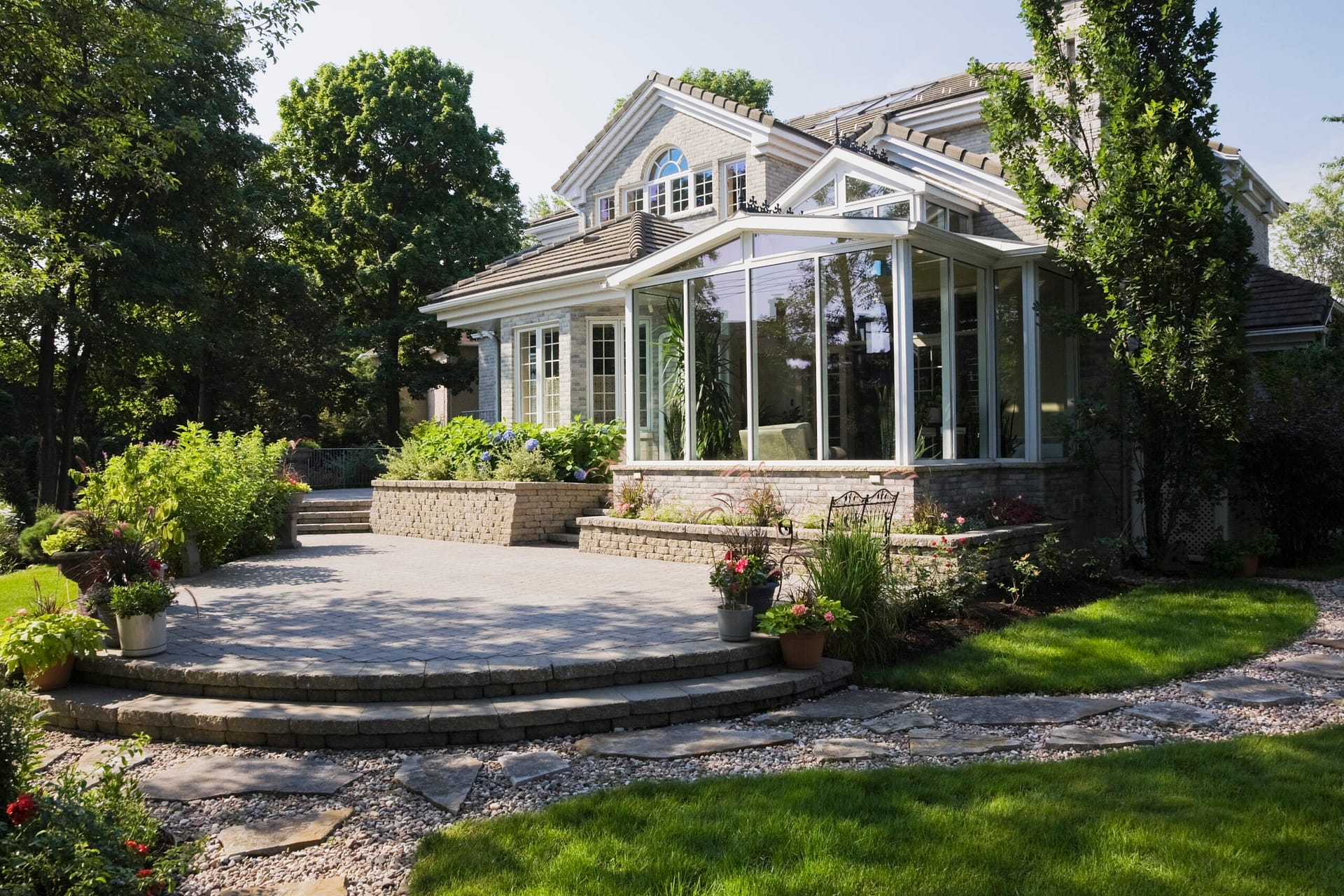
Another effective method is to create permeable surfaces in your garden. Use permeable paving materials for pathways and patios to allow rainwater to seep into the ground, reducing runoff and promoting groundwater recharge. Additionally, consider drought-resistant landscaping by incorporating xeriscaping principles, which optimise water usage through the selection of plants that require less water to thrive.
Composting for Healthy Soil
Healthy soil is the foundation of a flourishing garden, and composting is one of the best ways to enhance soil fertility in an eco-friendly manner. By composting organic waste such as kitchen scraps and garden debris, you can create nutrient-rich compost that improves soil structure and supports plant growth.
Set up a compost bin in a convenient location in your garden. Be sure to include a mix of green materials (like fruit and vegetable peels) and brown materials (such as dried leaves and cardboard). Over time, the compost will break down into a rich soil amendment that can be added to your planting areas, reducing the need for synthetic fertilisers.
Creating Wildlife Habitats
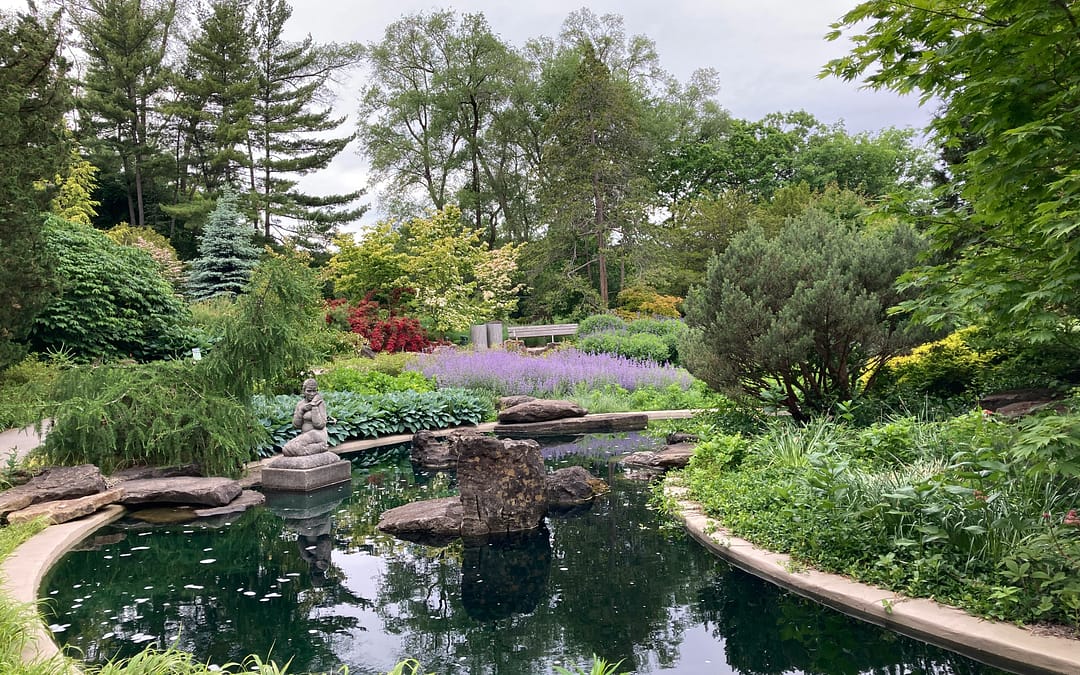
Transforming your Staffordshire garden into a sanctuary for wildlife is not only beneficial for the local ecosystem but can also enhance the overall aesthetic of your garden. Introduce elements that attract and support various species, such as birdhouses, bee hotels, and butterfly gardens.
Planting a variety of flowering plants that bloom at different times throughout the year will provide sustenance for pollinators and other beneficial insects. Consider leaving some areas of your garden a bit wild, allowing native grasses and shrubs to grow, which can offer shelter and nesting sites for local wildlife. By fostering a biodiversity-friendly environment, you contribute positively to the local ecosystem while enjoying the beauty of nature in your garden.
Edible Landscaping
Why not combine aesthetics with practicality by incorporating edible plants into your landscape design? Edible landscaping involves growing fruits, vegetables, and herbs among ornamental plants. This approach not only provides you with fresh produce but also enhances the overall visual appeal of your garden.
Consider planting berry bushes, such as blackcurrants or raspberries, alongside flowering perennials. Herbs like rosemary and thyme can double as both culinary ingredients and attractive ground cover. By integrating edible plants, you can enjoy the fruits of your labour while promoting a more sustainable gardening practice.
Eco-Friendly Mulching
Mulching is an important technique in eco-friendly landscaping that helps retain soil moisture, suppress weeds, and improve soil health. Using organic materials for mulch, such as wood chips, straw, or grass clippings, can enhance soil fertility as they break down over time.
In Staffordshire, consider using local resources for mulching. For instance, you might collect fallen leaves or use bark from nearby tree services. Avoid synthetic or non-biodegradable materials, as these can lead to pollution. Applying a thick layer of organic mulch around your plants will not only improve their health but also give your garden a neat appearance.
Natural Pest Control
Maintaining a pest-free garden doesn’t have to involve harmful chemicals. Embrace natural pest control methods to protect your plants while promoting an eco-friendly environment. Introduce beneficial insects, such as ladybugs and lacewings, which naturally prey on common garden pests.
You can also plant companion plants that deter unwanted insects. For example, marigolds are known to repel nematodes and other pests. Additionally, using homemade remedies, such as insecticidal soap or garlic spray, can help keep your garden healthy without negatively impacting the local ecosystem.
Conclusion
Transforming your Staffordshire garden into an eco-friendly paradise is not only rewarding but also essential for creating a sustainable environment. By implementing native plant selection, water conservation techniques, composting, and creating wildlife habitats, you can establish a beautiful garden that benefits both you and the planet.
If you’re ready to make a lasting change and would like guidance on eco-friendly landscaping in Staffordshire, contact M J Law Ltd today! You can reach us at 07970 935 133 or via email at info@mjlawltd.co.uk. Let’s work together to create a garden that thrives sustainably!