Exploring Benefits of Artificial Grass
Artificial grass, often referred to as synthetic turf, has surged in popularity across the UK, not just for its evergreen aesthetic but also for its practical benefits. One of the primary advantages is its low maintenance nature. Unlike natural grass, artificial turf does not require mowing, watering, or fertilising, making it a cost-effective and environmentally friendly option. This can be particularly beneficial in areas where water is scarce or hosepipe bans are common.
Additionally, artificial grass provides a year-round green that is resistant to weather changes. It remains lush and vibrant throughout the seasons, whether under the scorching summer sun or amidst the freezing winter frosts. This durability ensures that it is a reliable surface for gardens, play areas, and sports fields alike, maintaining its functionality and aesthetics without the mud and mess associated with natural lawns.
Moreover, modern advancements in the manufacturing of artificial grass have led to products that are safe, non-toxic, and highly realistic. These grasses often come with UV protection to prevent fading, ensuring that the vibrant green does not diminish over time. This makes artificial grass an excellent choice for those seeking a beautiful garden without the ongoing labour and costs associated with traditional lawns.
Designing Spaces with Synthetic Lawns
When incorporating synthetic lawns into garden designs, flexibility and versatility are key advantages. Artificial grass can be cut and shaped to fit any area, regardless of its size or shape. This allows for seamless integration into existing landscapes or the creation of distinct new features. Whether it’s a small garden patch, a rooftop terrace, or an expansive backyard, synthetic turf can adapt to meet any design requirement.
For aesthetic variety, artificial grass is available in different shades of green and various blade lengths, allowing for customization according to personal preference or specific functional needs. This can be particularly useful in creating zones within gardens, such as separating leisure areas from dining spaces. Designers can also play with textures and patterns, using the uniformity of artificial grass as a backdrop to highlight other garden features like decorative stones or woodwork.
Furthermore, synthetic lawns provide an excellent opportunity for underfoot comfort and safety in outdoor spaces. They offer a softer landing, which is ideal for children’s play areas, and they can also be equipped with additional shock-absorbent layers to enhance safety features, making them a practical choice for public and residential spaces alike.
Integrating Features for Dynamic Gardens
Artificial grass can be the foundation for a dynamic and interactive garden space. Integrating features such as pathways, water elements, and seating areas can transform a static lawn into a multifunctional landscape. For instance, embedding stepping stones or creating a cobblestone path through stretches of artificial grass can add depth and interest, guiding visitors through the garden in an intentional way.
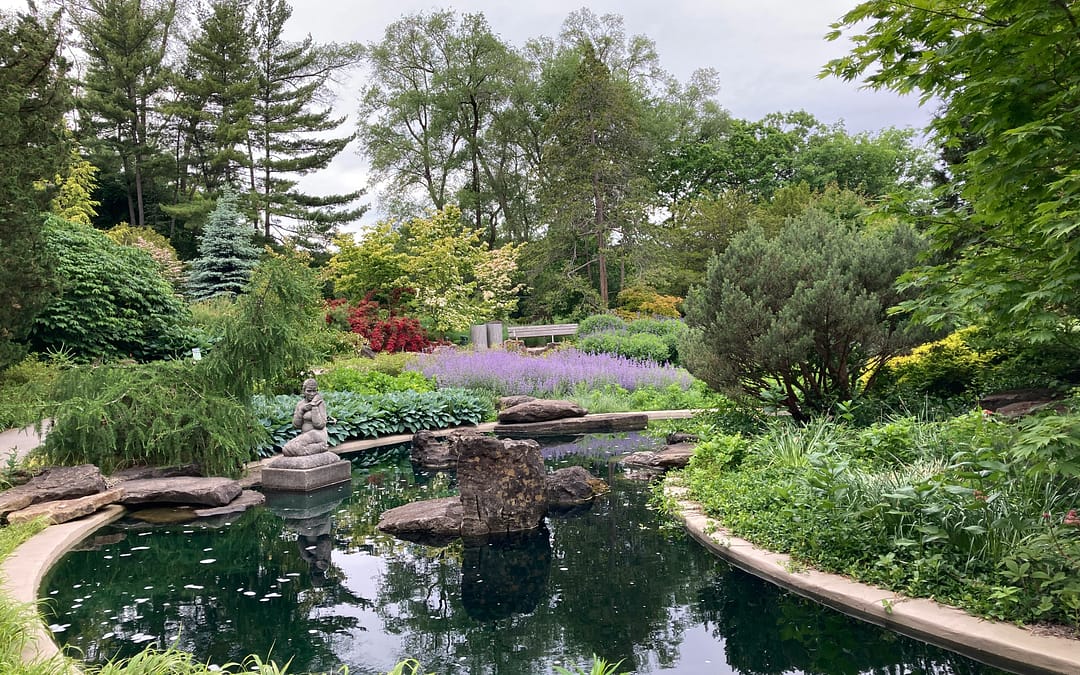
Water features like fountains or ponds surrounded by synthetic turf not only enhance the beauty of the garden but also create a serene environment. The contrast between the vibrant green of the grass and the shimmering water can produce a visually stunning effect. Additionally, since artificial grass drains well and doesn’t turn muddy, it is ideal for areas around water features where splashes and spills may occur.
Another interesting integration is the use of vertical garden elements. Climbing frames or trellises with flowering vines can be juxtaposed against the clean and simple backdrop of artificial grass, balancing lush vertical growth with horizontal expansiveness. This not only maximizes the use of space but also adds a vertical dimension of interest to the garden landscape.
Creative Borders and Edging Ideas
The use of artificial grass in garden design does not end with the lawn itself; creative borders and edging can significantly enhance the overall visual impact. Using materials such as polished stones, wooden beams, or even metal edgings, gardeners can delineate the artificial turf from other garden sections, creating a tidy, cohesive appearance. These borders not only serve an aesthetic purpose but also help to secure the edges of the synthetic turf, ensuring it remains neatly in place.
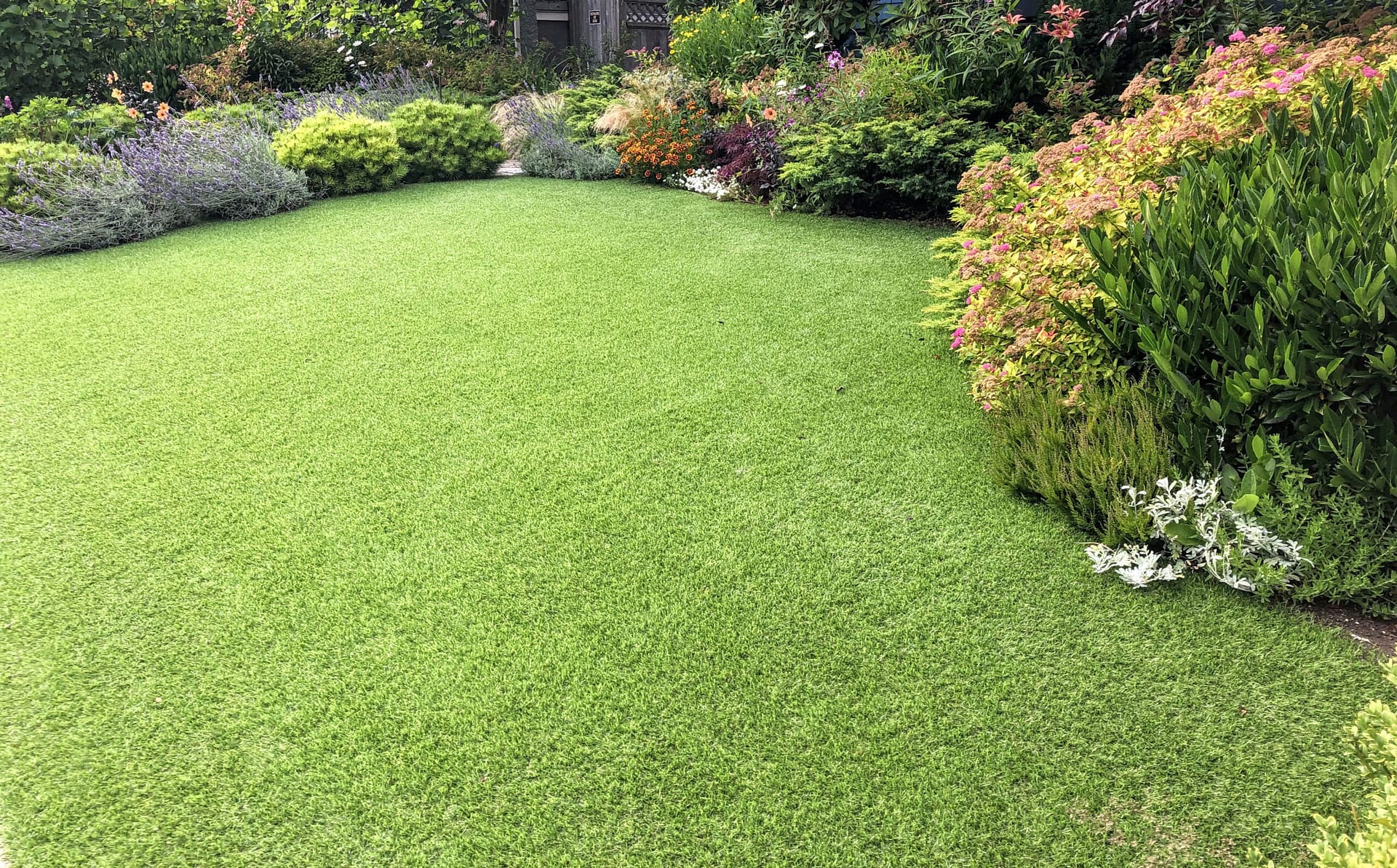
For a more organic look, integrating flower beds as borders around synthetic lawns can infuse colour and vitality. Seasonal flowers or perennial shrubs can provide contrasting textures and colours that highlight the lush green of the turf. Moreover, since artificial grass requires no trimming or mowing, these flower beds can flourish without the threat of damage from gardening equipment.
Edging can also be functional, such as incorporating LED lighting within the borders. This not only enhances the safety of the area by providing visibility at night but also adds a warm, inviting glow that can elevate the ambience of evening gatherings. The reflective quality of the synthetic blades can amplify this light, creating a beautifully illuminated space.
Innovative Uses in Small Urban Yards
Artificial grass is particularly advantageous in small urban yards, where space is at a premium and ease of maintenance is crucial. In these compact areas, synthetic turf can be used to create a sense of expansiveness and continuity. It can turn a drab, concrete balcony or a tiny backyard into a lush, green oasis, providing an area for relaxation and play despite the urban surroundings.
Moreover, artificial grass can be combined with multi-level garden designs to maximize space usage. Raised beds and tiered planters, interspersed with patches of synthetic turf, can add depth and variety to the garden, making it appear larger and more engaging. This type of design can also segment the space for different uses, like a dining area or a mini play park, effectively utilizing every square inch of the yard.
Additionally, for those who wish to enjoy greenery but lack substantial ground space, artificial grass can be used in vertical installations. Green walls or panels can be adorned with synthetic turf to create a verdant focal point without sacrificing floor space. This innovative approach not only beautifies the area but also contributes to the feeling of being close to nature within an urban environment.
Combining Natural Elements with Fake Grass
The juxtaposition of natural elements with artificial grass can lead to strikingly beautiful compositions that harness the best of both worlds. Planting natural trees, bushes, or floral arrangements around a synthetic lawn can add authenticity and soften the appearance of the artificial material. These natural elements can attract wildlife, bring seasonal colour, and add fragrance to the garden, enhancing the sensory experience.
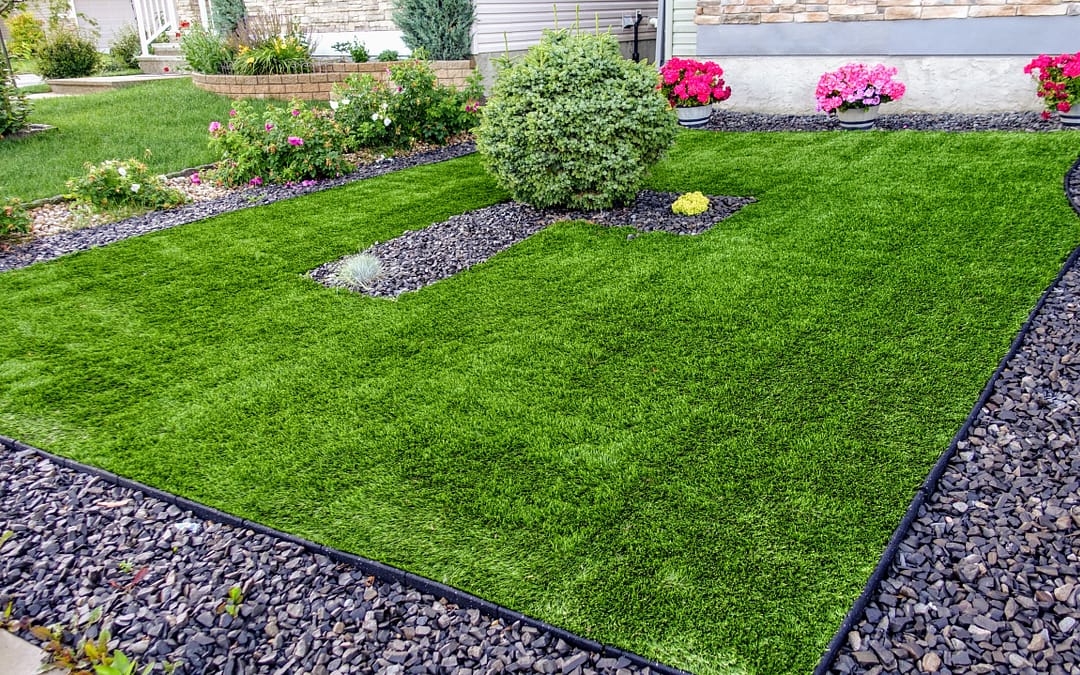
Incorporating natural stone elements like rock gardens or gravel paths within or alongside the artificial turf can create interesting textures and contrasts. This not only adds a rugged, natural feel to the landscape but also facilitates drainage and reduces the heat absorption of the area, making it more comfortable during warm weather.
Moreover, the use of organic mulches or bark around the perimeter or in segmented areas of an artificial lawn can enrich the visual depth and provide a natural decomposition that benefits nearby soil and plants. This is particularly effective in larger garden areas where the contrast between the manicured artificial grass and the rough, natural textures can be fully appreciated.
Maintenance Tips for Long-lasting Beauty
Although artificial grass is low maintenance, regular care is still required to keep it looking its best. Regular brushing or raking of the surface can prevent matting and help the blades to stand upright, mimicking the look of natural grass. This also helps to remove debris and leaves, which, if left unchecked, can degrade the appearance and functionality of the turf.
It is also advisable to occasionally wash the artificial grass with water, especially in areas that receive high foot traffic or are prone to spills. This not only cleans the turf but also helps to control any odours, particularly important for pet owners. For more stubborn stains, a mild detergent can be used, but harsh chemicals should be avoided to prevent damage to the fibres.
Finally, ensuring that the turf is properly installed and secured can greatly enhance its longevity. This includes proper drainage systems to prevent water accumulation and the correct type of infill to keep the blades upright and to provide adequate cushioning. Regular inspections to check for any lifting or shifting at the edges can prevent tripping hazards and keep the lawn safe and functional.
Case Studies: Successful Artificial Landscapes
In the heart of London, a rooftop garden project demonstrates the transformative power of artificial grass. Here, designers used synthetic turf to convert a bland, unused roof space into a vibrant communal garden. The artificial grass provided a durable, all-weather surface that supported foot traffic and outdoor furniture, creating a popular gathering space for residents. The project not only enhanced the aesthetic appeal of the building but also contributed to the building’s overall sustainability by improving insulation.
Another notable example is a residential property in Manchester, where the homeowners replaced a difficult-to-maintain sloped garden with artificial turf. The slope made mowing hazardous and garden care challenging. The installation of synthetic grass not only enhanced the safety of the space but also provided a lush, green landscape year-round, significantly reducing the maintenance demands. This change has not only brought aesthetic pleasure but also increased the property’s market value
Finally, a school in Birmingham adopted artificial grass for its playgrounds to create a safer and more engaging environment for children. The synthetic surface reduced mud and mess, which previously led to indoor cleaning problems and slipping hazards. The vibrant green turf has been instrumental in encouraging outdoor play and sports, demonstrating the grass’s value in educational and recreational settings. Each of these case studies highlights the functional and aesthetic benefits of artificial grass, proving its value as a versatile landscaping solution.