Introduction: Embracing Synthetic Turf
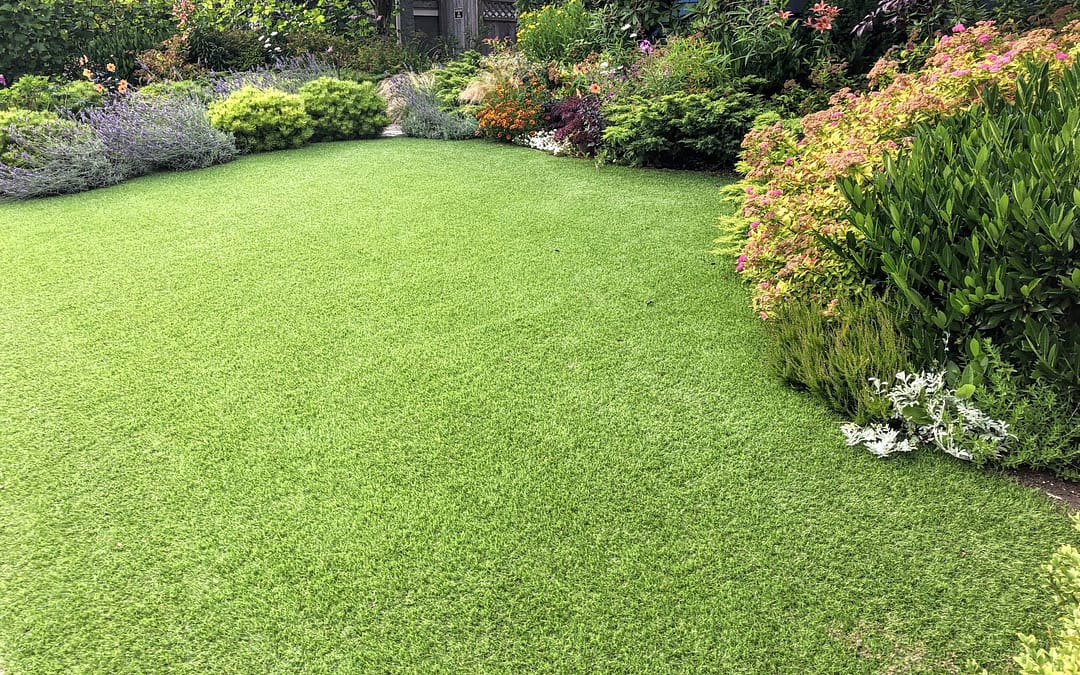
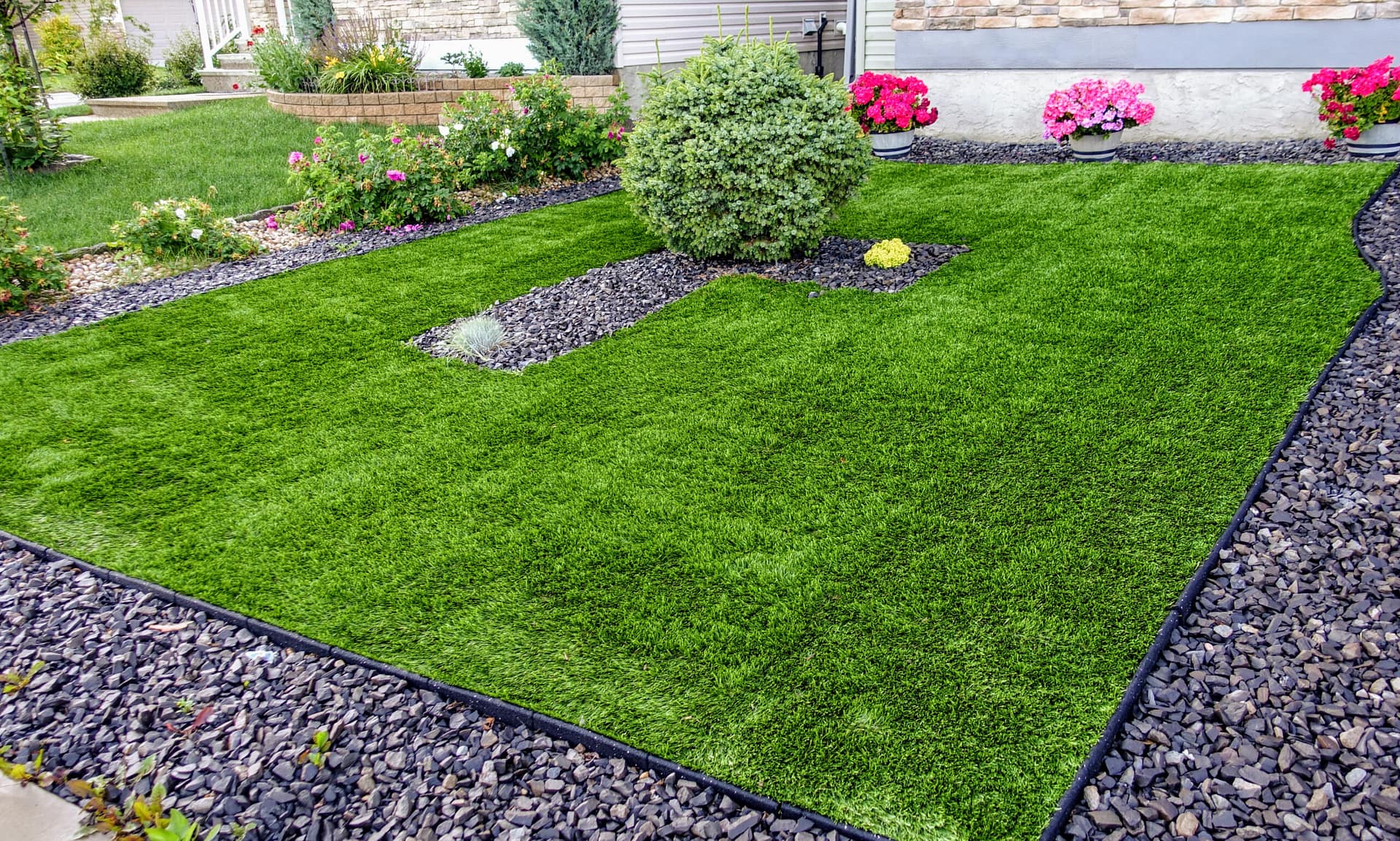
In recent years, artificial grass has surged in popularity across the UK, heralded not only for its aesthetic appeal but also for its role in sustainable landscaping. Once mostly confined to sports pitches and public areas, synthetic turf is now a common sight in residential gardens and commercial landscapes. Its rise can be attributed to its striking resemblance to natural grass, combined with minimal maintenance requirements and significant environmental benefits.
Artificial grass, made from synthetic fibres that are designed to mimic the look and feel of natural grass, offers a practical solution to the challenges of lawn maintenance. Beyond its visual allure, it presents an environmentally friendly alternative, conserving water, reducing chemical use, and diminishing carbon emissions associated with traditional lawn care.
The adoption of synthetic turf is advancing the goals of sustainable landscaping by providing a product that is durable, versatile, and nearly indistinguishable from natural grass. This shift is crucial as environmental concerns become central to consumer choices and urban planning. Here, we explore the myriad environmental benefits that artificial grass brings to gardens and landscapes in the UK.
The Water-Saving Wonders of Artificial Grass
Water conservation is one of the most significant environmental benefits of artificial grass. In the UK, where water shortages are increasingly common during summer months, maintaining a natural lawn requires a substantial amount of water. Synthetic grass eliminates the need for watering, except for occasional cleaning, thus conserving precious water resources.
This conservation is particularly critical during dry spells and drought conditions. Unlike natural grass, which can turn brown and patchy without regular watering, artificial turf remains vibrantly green and lush year-round, providing an aesthetically pleasing landscape without straining local water supplies.
For households and municipal areas, the reduction in water usage can also translate to considerable financial savings on water bills. By installing synthetic turf, property owners can enjoy a beautiful garden without the ongoing expense and environmental guilt associated with excessive water use.
Reducing Carbon Footprint with Fake Lawns
The production and maintenance of natural grass lawns contribute significantly to carbon emissions. Regular lawn care, including mowing, fertilising, and pesticide application, requires the use of petrol-powered equipment which emits carbon dioxide into the atmosphere. Switching to artificial grass cuts down these emissions by eliminating the need for frequent lawn maintenance.
Additionally, the longevity of synthetic turf means fewer resources are consumed in planting, reseeding, and maintaining grass, further reducing the carbon footprint over time. While there are emissions associated with the manufacturing and transportation of artificial turf, these can be offset by the long-term savings in carbon emissions from maintenance activities.
Moreover, modern advancements in the manufacturing of artificial grass include improved methods that lower initial carbon outputs, making it a more sustainable option throughout its lifecycle. Thus, artificial grass stands out as a practical choice for reducing environmental impact and supporting efforts against climate change.
Chemical-Free Maintenance: A Greener Choice
One of the lesser-known yet significant benefits of artificial grass is its ability to significantly reduce the need for chemicals that are typically used in traditional lawn care. Synthetic lawns do not require fertilisers, pesticides, or herbicides to maintain their appearance. This not only helps in lowering chemical runoff into local waterways but also reduces the exposure of harmful substances to wildlife and humans.
By eliminating the need for chemical treatments, artificial turf plays a crucial role in creating safer, healthier environments. Families with children and pets, in particular, can benefit from synthetic grass, as it provides a toxin-free space for play and relaxation, free from allergens and irritants found in natural lawns.
Furthermore, the reduction in chemical use contributes to preserving the natural soil quality and preventing the degradation of local ecosystems, which is often exacerbated by harsh lawn chemicals. Through its minimal maintenance needs, artificial grass continues to support environmental health and safety.
Promoting Biodiversity Around Synthetic Turf
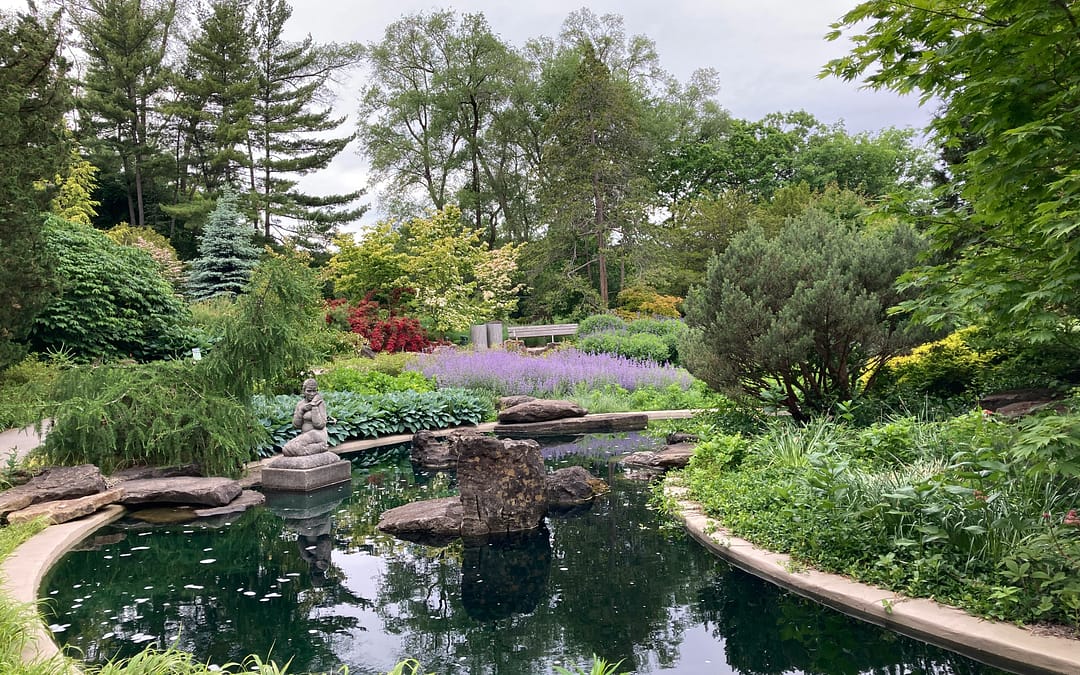
While it’s a common misconception that artificial grass does not support biodiversity, strategic landscaping choices can turn synthetic turf areas into biodiversity hotspots. Surrounding artificial lawns with native plantings, for instance, can attract a wide array of wildlife, from pollinators like bees and butterflies to birds and small mammals.
Incorporating features such as flower beds, shrubs, and trees around synthetic turf provides necessary habitats and food sources for local wildlife. Additionally, these natural elements can create an ecological balance by fostering a variety of species, which contribute to the overall health of the environment.
Enhancing synthetic turf installations with biodiversity-supportive practices not only compensates for the lack of natural grass but also enhances the ecological value of the landscape. This approach aligns with sustainable landscaping principles, promoting a healthy, vibrant ecosystem.
Longevity and Durability of Artificial Lawns
One of the standout features of artificial grass is its durability. High-quality synthetic turf can last between 15 to 25 years, depending on the level of traffic and maintenance. This longevity significantly reduces the need for frequent replacements, unlike natural grass, which may need seasonal rejuvenation and regular upkeep.
The robust nature of artificial turf makes it ideal for high-traffic areas and sports facilities, where natural grass would wear down quickly. Not only does this reduce maintenance costs, but it also lessens the environmental impact associated with the repeated planting and discarding of natural grass.
Moreover, the consistent appearance and minimal upkeep of synthetic lawns provide a sustainable, cost-effective landscaping solution that remains aesthetically appealing for years. This long-term durability is key to reducing waste and conserving resources, making artificial grass a wise investment for the future of urban landscapes.
Recycling and Disposal: The Lifecycle of Turf
The environmental impact of artificial grass extends beyond its use to its end-of-life options. Modern artificial turf is increasingly manufactured from recyclable materials, allowing for easier disposal and recycling at the end of its lifespan. Companies in the UK are adopting eco-friendly practices to ensure that old synthetic grass is repurposed or recycled, rather than ending up in landfills.
Recycling options include repurposing old turf for use in playgrounds, sports mats, or as underlay for paving projects. These practices significantly reduce the environmental footprint of artificial grass and support a circular economy that promotes sustainability and resource efficiency.
As technology and environmental policies evolve, the processes for recycling artificial turf are expected to become more streamlined and accessible. This will further enhance the sustainability profile of synthetic lawns, making them an even more attractive option for eco-conscious consumers and landscapers.
Sustainable Urban Landscaping with Artificial Grass
Artificial grass stands at the forefront of sustainable urban landscaping solutions. In cities where space and resources are limited, synthetic turf provides a practical and beautiful green space that requires minimal resources to maintain. This is particularly advantageous in urban areas, where the reduction of water use and chemical runoff is crucial for environmental health.
Moreover, the use of artificial grass in public spaces, such as parks, playgrounds, and communal areas, promotes green living practices while ensuring durability and visual appeal. It offers a space where urban dwellers can enjoy the benefits of nature without the environmental degradation associated with traditional lawncare.
Ultimately, the integration of artificial grass into urban landscaping not only meets aesthetic and functional demands but also aligns with the broader goals of sustainability. By choosing synthetic turf, city planners and landscapers can contribute to a greener, more sustainable future.